Every week in Jandakot a person faces a situation where standard first aid understanding would change a result. Whether that is a work environment event near the flight terminal, a yard shed, or a youngster who has diminished a bike, the time in between injury first aid and cpr jandakot and professional healthcare usually determines recovery and household stress. People sign up for a first aid course Jandakot for several reasons: to satisfy workplace compliance, to get ready for a sporting club roster, or simply to feel furnished when something fails. Yet together with the functional training rest persistent misconceptions that undermine confidence and delay appropriate action. This article separates reality from fiction and supplies sensible assistance for any individual considering first aid training in Jandakot or rejuvenating their CPR skills.
Why the myths matter
Misconceptions concerning bleeding control, CPR, and when to call emergency services cause doubt. Hesitation converts into lost mins and occasionally preventable problems. Courses such as a first aid and CPR jandakot program educate hands-on techniques, yet they also remedy false beliefs. My objective right here is not to replace training, yet to clarify what is risk-free, effective, and legitimately reasonable. If you live or operate in Jandakot and are selecting between companies like First Aid Pro Jandakot or a community-provider course, recognizing the truths will certainly aid you pick the right training and feel great applying it.
A note on course kinds and certificates
First help course Jandakot offerings vary from standard four-hour certifications to extensive one- or two-day recognized courses that include CPR, automated exterior defibrillator usage, and management of anaphylaxis. Several companies need a country wide identified first aid certificate Jandakot that follows regional office standards. There are likewise CPR correspondence course Jandakot alternatives for those whose certification is nearing expiration; competence fades swiftly without technique, particularly for breast compressions and AED usage. When contrasting first aid training Jandakot providers, examine whether the certificate is nationally identified, whether functional skills are evaluated, and just how much hands-on time you will certainly get with manikins and AED trainers.
Myth 1: You should wait on an ambulance before moving a damaged person
This is one of one of the most hazardous false impressions in daily cases. Individuals commonly believe movement equates to making points worse, so they delay any relocation. Reality is much more nuanced. If a hurt individual remains in prompt danger from traffic, fire, or collapse, relocating them carefully to safety is suitable. Similarly, if continued positioning compromises breathing or flow, a modification is necessary. On the various other hand, if a person has actually suspected back injury and is stable where they are, minimal activity is typically finest until paramedics show up. Training in a Jandakot first aid course will teach risk-free techniques for moving someone when needed, and just how to choose when to immobilise and when to rearrange for airway management.
Myth 2: If you are unsure whether to call three-way absolutely no telephone call later or after a while
The right method is to call 000 promptly when there is any uncertainty regarding deadly conditions. Signs consist of severe bleeding, unconsciousness or transformed level of consciousness, problem breathing, upper body discomfort, believed stroke, or severe allergies. Emergency dispatchers can direct by phone and keep you acting till paramedics arrive. Delaying the telephone call due to the fact that you hope the situation will certainly improve can set you back useful time. First aid and CPR courses in Jandakot stress early activation of emergency situation services as a critical step in the chain of survival.
Myth 3: CPR is only for adults and only if the person has stopped breathing
CPR and standard resuscitation strategies differ by age, however chest compressions and rescue breaths can be lifesaving for babies, youngsters, and grownups. For victims that are unresponsive and not breathing typically, CPR should start instantly. For children, rescuers use gentler compression depth and various hand placement. Many people assume that "not breathing" need to suggest complete cessation of any kind of breath, yet agonal gasps or uncommon breathing patterns are not effective breathing. Identifying inadequate breathing and beginning CPR faster improves outcomes. Local CPR course Jandakot sessions commonly consist of kid and baby components due to the fact that those situations are common and need adjusted technique.
Myth 4: You require pricey tools to control extreme bleeding
Severe bleeding can commonly be taken care of efficiently with strategies showed in standard courses. Direct stress with a tidy clothing, altitude of the limb when appropriate, and stress bandaging can regulate most bleeding. Training covers when to use a tourniquet and how to do so safely. While a correct commercial tourniquet is perfect, improvised ones can be lifesaving in extreme scenarios if used correctly. The key is fast action. First aid training in Jandakot will provide you useful practice to ensure that controlling bleeding comes to be a certain response instead of a guess.
Myth 5: Only clinically trained individuals must utilize an AED
Automated outside defibrillators are designed for layman use and include voice prompts and security attributes that lower the risk of injury. Bystanders trained in CPR and AED utilize substantially increase the chance of survival in sudden heart attack. Public access AEDs are significantly present in workplaces, shopping centres, and sporting centers around Jandakot. A first aid and CPR course Jandakot will include supervised AED method so guests leave comfortable transforming one on and following its instructions.
How training fixes these myths
Good courses replace uncertainty with muscle memory. Practical repeating in a controlled atmosphere reinforces the appropriate series: assess scene security, check responsiveness, telephone call emergency services, open air passage, check breathing, begin CPR or control blood loss as required, and utilize an AED when jandakot first aid courses indicated. A high quality Jandakot first aid course guarantees you exercise compressions to the recommended deepness and price, use dressings that stay safe and secure, and coordinate with others in multi-rescuer circumstances. Trainers with genuine emergency reaction experience point out situational subtleties that a book alone can not convey, such as managing spectator panic or making fast choices when professional help is delayed.
Choosing the right carrier in Jandakot
Not all first aid courses are equivalent. Some providers concentrate on brief, affordable sessions that tick a box for office induction without appropriate hands-on skills. Others, consisting of reputed local instructors, balance theory with practical scenario practice and recurring assessment. When choosing a first aid course in Jandakot, take into consideration these practical criteria: course length relative to advertised material, class dimension for functional time, whether skills are analyzed on manikins and AED fitness instructors, and whether the certificate is country wide recognised if that matters for task conformity. Ask about follow-up choices, such as a CPR correspondence course Jandakot, because retention declines without periodic practice.
What a reasonable course schedule looks like
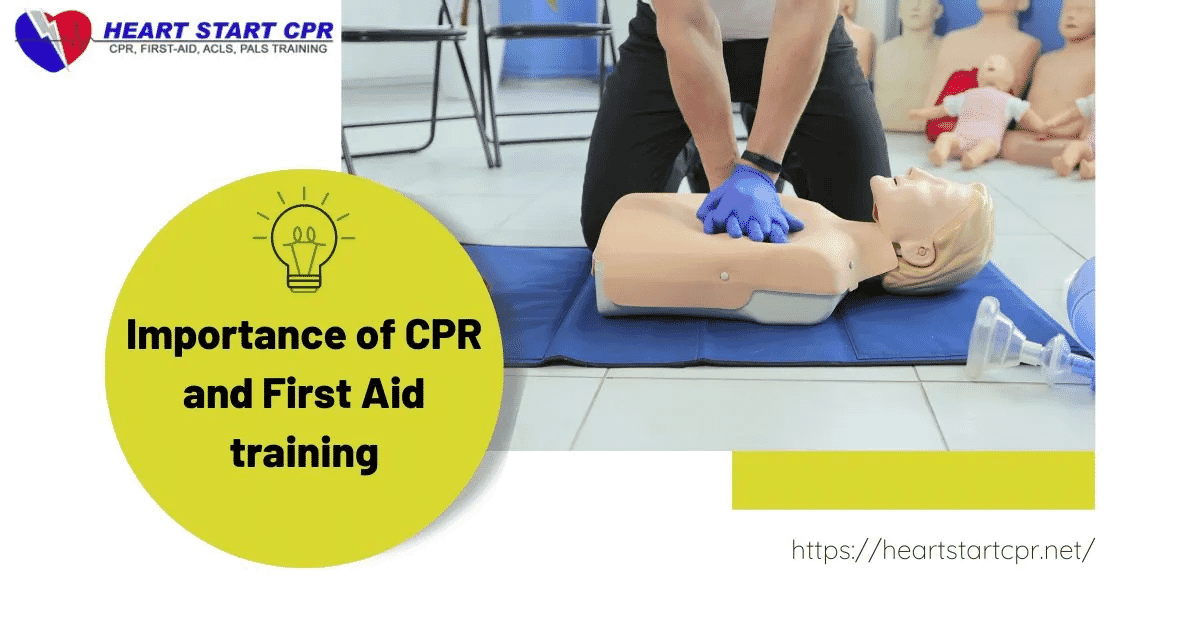
A comprehensive one-day first aid and CPR course Jandakot usually starts with a review of lawful and security commitments, adhered to by introductions to respiratory tract management, CPR on adults and youngsters, use an AED, and monitoring of bleeding, shock, burns, fractures, and choking. Practical skills alternative with short circumstance drills where participants turn duties and method choice making under moderate anxiety. Extended certified courses consist of official analysis parts that fulfill regulatory criteria for work environment demands. Shorter half-day sessions can cover CPR and fundamental life support and serve for clubs and small teams who need targeted skills rather than a complete first aid certificate Jandakot.
What to bring and just how to plan for a course
Arrive all set to exercise. Comfortable garments that enables you to stoop and relocate makes hands-on sessions easier. Bring picture ID if the provider needs it for certification. Numerous courses already supply manikins and equipment, yet if you have a previous certificate bring it along so instructors can customize the session to your needs.
Checklist for attendees
- comfortable clothing suitable for kneeling and moving photo identification for certification if required previous first aid certificate if you are restoring or refreshing a notepad or tool for individual notes concerning techniques and regional resources willingness to exercise abilities with other participants
These simple preparations guarantee you get the most from class time and entrust functional capability rather than surface knowledge.
Handling edge instances and trade-offs
First aid typically calls for judgment calls rather than strict regulations. As an example, with a suspected broken leg: splinting is necessary, yet relocating the individual can enhance discomfort or trigger more injury if done approximately. In remote setups around Jandakot where ambulance action might take longer, improvisated splints and mindful monitoring come to be more important. For severe allergies, epinephrine autoinjectors supply quick symptom control, but training covers when to provide and the need to still call emergency situation services. During a CPR event, onlooker exhaustion is actual; exchanging compressors every two mins maintains compression top quality. Good training reviews these trade-offs and practices multi-rescuer coordination so changes are smooth.
Real-world instances from local practice
A small production center near Jandakot Airport terminal once had a case where a worker endured a deep laceration to the lower arm. An associate who had completed an office first aid course used a pressure dressing, boosted the limb, and kept direct pressure while another personnel called triple no. The sufferer needed stitches, but the blood loss was regulated and the person continued to be mindful and oriented. Another case included a youngster at a regional sporting activities club who collapsed after a fall. Quick acknowledgment of altered breathing and prompt CPR by an experienced parent, together with an AED from the club, contributed to a favorable end result. These occasions demonstrate how training in Jandakot contexts equates to reliable on-the-spot response.
Updating skills and handling confidence fade
Skills like upper body compressions and using dressings decay if not practised. The majority of enrollment bodies recommend CPR refresher courses every twelve month and a full first aid certificate renewal every three years for office conformity. For people who utilize these abilities much less regularly, regular short refresher courses make the distinction between being reluctant and acting decisively. Lots of training suppliers in Jandakot use CPR correspondence course Jandakot sessions that concentrate on sensible compression practice, AED familiarisation, and short assessments to bring back confidence.
Legal and office considerations
In Australia, Do-gooder laws protect onlookers that offer sensible help in an emergency situation. Still, workplaces have specific responsibilities under work-related health and safety legislation to give adequate first aid resources and training. Employers in Jandakot must ensure personnel coverage, accessible first aid kits, and an authorized first aid certificate Jandakot for designated first aid police officers. Courses that include first aid and CPR jandakot modules assist organisations meet these responsibilities and reduce obligation by showing proactive care training.
How to practice outside a formal course
You can enhance abilities safely outside an official class. Manikin practice sessions provided by community centers, work environment drills, and monitored AED familiarisation days all aid. Some companies run brief useful evenings where individuals turn via blood loss control, choking reaction, and compression technique. Video clip resources from credible health organisations can supplement hands-on practice, yet they are not alternatives to instructor comments on compression depth and hand placement.
Misconception list: 4 usual misconceptions corrected
- Myth: Mouth-to-mouth is always called for. Truth: Hands-only CPR is effective for grown-up unexpected cardiac arrest and is better for untrained bystanders; rescue breaths continue to be important for youngsters and some non-cardiac sources of arrest. Myth: If a person is breathing they do not need help. Fact: Uncommon or inadequate breathing can call for immediate treatment and surveillance; respiratory system distress can degrade quickly. Myth: Only experts should touch a person with upper body discomfort. Fact: Immediate spectator analysis, calling emergency situation services, and providing pain killers when suggested by dispatch or method can be lifesaving. Myth: A tourniquet will certainly create arm or leg loss. Fact: Correctly used tourniquets in deadly hemorrhage conserve lives, and limb loss from a tourniquet is rare compared with death from unrestrained bleeding.
Finding local courses and following steps
Search for "first aid course Jandakot" or "CPR course Jandakot" and try to find carriers that note nationwide recognition, practical evaluation, and instructor credentials. Compare course dimensions, equipment, and situation technique. If you call for workplace conformity, validate the certificate meets your employer or regulatory authority requirements. For families or neighborhood teams, ask if the course includes child and baby components. Finally, plan for follow-up method. Enroll in a CPR refresher course Jandakot annually, and routine hands-on session for groups that may rely upon these skills.
Confidence under pressure
The most constant result from well-run training is lowered hesitation. People who have rehearsed skills under moderate tension, obtained corrective responses, and practised shifts are much more likely to act emphatically. A first aid training Jandakot session is not about memorising methods; it has to do with internalising concerns to make sure that when an event happens you relocate straight right into reliable activity. That self-confidence is what divides uncertainty from lifesaving care.

If you live or work in Jandakot and have actually not yet taken an acknowledged first aid and CPR course, enlist in a session that stabilizes concept with sensible practice. Select a company that emphasises hands-on discovering, offers routine refresher courses, and prepares participants to take care of the messy realities of emergencies. With clear facts replacing common myths, you will be ready to assist when it matters most.